
Leading Storm Damage Repair Products For Homeowners and Contractors
Select from a range of trusted products designed to facilitate efficient and lasting storm damage repairs.
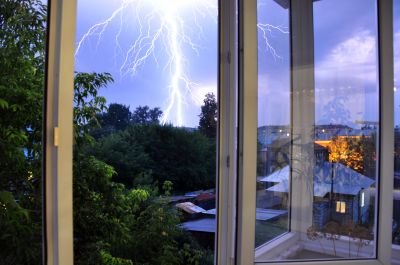 Storm restoration products are essential tools and materials used to repair and reinforce structures affected by severe weather events such as hurricanes, heavy rain, and strong winds. These products help safeguard properties by providing durable solutions for damage caused by storms, including roof leaks, broken windows, and compromised siding. When selecting storm restoration supplies, it is important to consider their effectiveness, ease of use, and compatibility with existing structures.
Top Overall Option
Heavy-Duty Weatherproofing Sealant
A versatile and durable sealant designed to provide effective water and air barrier protection for damaged roofs, windows, and siding. It is suitable for various surfaces and offers long-lasting adhesion, making it a reliable choice for storm restoration needs.
Types of Products For Storm Restorations
Heavy-Duty Tarps
Large, reinforced tarps used to cover damaged roofs and protect interiors from water intrusion during storm recovery.
Waterproof Sealants
Specialized sealants that provide a weather-resistant barrier on roofs, windows, and siding to prevent leaks.
Roofing Underlayment
Protective layers installed beneath roofing materials to add an extra barrier against water penetration.
Storm-Resistant Windows
Impact-resistant windows designed to withstand high winds and flying debris during storms.
Siding Repair Kits
Comprehensive kits containing materials and tools for repairing damaged exterior siding.
Emergency Exit Ladders
Ladders designed for quick egress from upper floors during storm emergencies.
Portable Generators
Reliable power sources to keep essential appliances running during power outages caused by storms.
Flood Barriers
Removable barriers that can be installed to prevent floodwaters from entering properties.
Storm Shutters
Protective shutters that secure windows against impact and wind pressure.
Gutter Guards
Protect gutters from debris, ensuring proper drainage during heavy rainfall.
Structural Reinforcement Braces
Metal or wooden braces used to reinforce weakened structural elements after storm damage.
Debris Removal Tools
Heavy-duty rakes, shovels, and blowers designed for clearing storm debris efficiently.
Interior Water Extraction Equipment
Industrial-grade extractors and pumps used to remove water from flooded interiors.
Mold Prevention Products
Treatments and coatings that inhibit mold growth after water intrusion.
Fire-Resistant Barriers
Materials designed to prevent fire spread in storm-damaged structures.
Temporary Fencing
Fencing solutions to secure damaged properties and restrict access during restoration.
Popular Choices
Widely used for quick coverage of damaged roofs and windows, providing temporary protection.
Commonly chosen for their ability to withstand high winds and debris impact.
Popular for securing windows and reducing potential damage during storms.
Effective in areas prone to flooding, these barriers are frequently utilized to protect properties.
Essential for sealing cracks and gaps in damaged structures to prevent water intrusion.
Trusted for providing backup power during outages caused by severe weather.
Popular for maintaining proper drainage during heavy rainfall events.
Commonly used for clearing storm debris efficiently from properties.
Frequently employed for removing water from flooded interiors quickly.
Often selected to stabilize weakened structures after storm impact.
Popular for added protection beneath new roofing materials after damage.
Chosen for their quick deployment in storm emergency scenarios.
Often used in post-storm cleanup to inhibit mold growth.
Selected for enhanced safety in storm-affected structures.
Commonly used to secure damaged sites and control access during restoration.
In storm-prone areas like Irvine, CA, having reliable restoration products can facilitate quicker recovery and minimize further damage. From heavy-duty tarps that temporarily cover damaged roofs to specialized sealants that prevent water intrusion, the variety of available products ensures that property owners and contractors can address different types of storm-related issues efficiently.
Properly chosen storm restoration products not only help in immediate repair efforts but also contribute to long-term protection. For example, high-quality weatherproofing materials can enhance a building’s resilience against future storms. It is advisable to select products that meet industry standards and are suitable for the specific environmental conditions of the area.
Investing in the right storm restoration supplies can make a significant difference during emergency response and recovery phases. Whether for residential or commercial properties, understanding the range of available products and their applications can streamline the restoration process, ensuring safety and structural integrity are maintained throughout the recovery efforts.
Key Buying Considerations
- Assess the specific storm risks in your area to select appropriate products.
- Ensure products meet industry standards for durability and safety.
- Consider the compatibility of products with existing structures and materials.
- Evaluate ease of installation and whether professional assistance is needed.
- Look for weather-resistant and long-lasting materials to withstand future storms.
- Check for product certifications or endorsements for storm resilience.
- Determine the size and coverage area needed for your property.
- Review customer feedback and product reviews for reliability insights.
- Consider the cost relative to the quality and lifespan of the product.
- Ensure availability of replacement parts or accessories if needed.
- Prioritize products that are easy to store and transport for emergency use.
- Think about maintenance requirements for ongoing protection.
- Verify if additional tools or accessories are necessary for installation.
- Assess the environmental conditions, such as wind speeds and rainfall levels, that the products need to withstand.
- Plan for future upgrades or enhancements to improve overall storm preparedness.